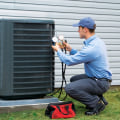
Freon, a brand name for a class of refrigerants, plays a pivotal role in the operation of air conditioning systems. Understanding what Freon is and how it functions is essential for homeowners who want to maintain optimal performance from their AC units. Essentially, Freon is a chemical compound that absorbs heat from the indoor air and releases it outside, creating a cooling effect that keeps your living spaces comfortable during hot weather.The importance of refrigerants like Freon cannot be overstated. They are the lifeblood of your air conditioning system, enabling it to cool your home efficiently.
When Freon circulates through the AC unit, it transitions between liquid and gas states, allowing it to absorb heat from inside your home and expel it outside. This cycle is crucial for maintaining a consistent and comfortable indoor temperature. Without adequate levels of Freon, your air conditioning system cannot perform effectively, leading to increased energy consumption and potential damage to the unit.Monitoring Freon levels is not just about ensuring comfort; it's also about protecting your investment in an air conditioning system. Low Freon levels can indicate leaks or other issues that may require immediate attention.
If left unaddressed, these problems can lead to costly repairs or even the need for a complete system replacement. Therefore, understanding the role of Freon in your AC unit is vital for both efficiency and longevity.
Signs of Low Freon Levels in Your AC Unit
Detecting low Freon levels in your air conditioning unit is crucial for maintaining optimal performance and preventing costly repairs. Here are some common symptoms of low Freon that you should be aware of:- Insufficient Cooling: One of the most noticeable signs that your AC may be low on Freon is a lack of cool air. If you find that your air conditioner is running but the air coming out of the vents is warm or only slightly cool, it could indicate a refrigerant issue.
- Ice Buildup: Another significant indicator is the presence of ice on the refrigerant lines or the evaporator coil.
When Freon levels are low, the pressure in the system drops, causing the evaporator coil to become too cold and freeze over. This can lead to further complications if not addressed promptly.
- Unusual Noises: Pay attention to any strange sounds coming from your AC unit. If you hear hissing, bubbling, or whistling noises, it may suggest a refrigerant leak. These sounds can occur when the refrigerant escapes from the system, leading to low levels.
- Increased Energy Bills: If your energy bills have suddenly spiked without a corresponding increase in usage, it could be a sign that your AC unit is working harder than usual due to low Freon levels.
An inefficient system will consume more energy to try and maintain the desired temperature.
- Frequent Cycling: If your air conditioner frequently turns on and off (short cycling), it may be struggling to maintain the set temperature due to insufficient refrigerant. This not only affects comfort but can also lead to wear and tear on the system.
How to Check Freon Levels in Your AC Unit
Checking the Freon levels in your air conditioning unit is an essential part of maintaining its efficiency and performance. While it’s often best to leave refrigerant checks to professionals, homeowners can perform a basic assessment with the right tools and precautions.Here’s a step-by-step guide to help you safely check the Freon levels in your AC unit.
Tools You Will Need:
- Manifold gauge set
- Thermometer
- Safety goggles
- Gloves
- Flashlight
- Owner’s manual for your AC unit
Step 1: Safety First
Before you begin, ensure that you are wearing safety goggles and gloves to protect yourself from any potential refrigerant exposure. Make sure the AC unit is turned off to avoid any electrical hazards.
Step 2: Locate the Service Ports
Your AC unit will have two service ports: one for high pressure and one for low pressure. These are typically located on the refrigerant lines. Consult your owner’s manual if you have trouble finding them.
Step 3: Attach the Manifold Gauges
Connect the blue hose of the manifold gauge set to the low-pressure service port and the red hose to the high-pressure service port.
Ensure that the connections are secure to prevent any leaks.
Step 4: Read the Gauges
Turn on your AC unit and let it run for about 15 minutes. Check the readings on both gauges. The low-pressure gauge should typically read between 25-30 psi, while the high-pressure gauge should read between 200-250 psi, depending on your specific system.
Step 5: Measure Temperature
Use a thermometer to measure the temperature of the air coming out of the vents. If it’s significantly warmer than expected, this could indicate low Freon levels.
Step 6: Assess Results
If your readings are outside of the normal range, it may indicate that your AC unit is low on Freon.
In this case, it’s advisable to contact a qualified HVAC technician for further diagnosis and repair.
Important Precautions:
- Avoid overfilling your AC unit with refrigerant, as this can cause damage.
- If you suspect a leak, do not attempt to fix it yourself; always call a professional.
- Be aware of local regulations regarding refrigerant handling and disposal.
Common Causes of Low Freon Levels
Understanding the common causes of low Freon levels in your air conditioning unit is essential for maintaining its efficiency and longevity. Several factors can contribute to a decrease in refrigerant levels, and being aware of these can help homeowners take proactive measures to prevent costly repairs.Refrigerant Leaks
The most prevalent cause of low Freon levels is refrigerant leaks. These leaks can occur due to various reasons:- Punctures or Cracks: Over time, the metal components of your AC unit can develop small punctures or cracks, often due to corrosion or physical damage.
These openings allow the refrigerant to escape.
- Loose Connections: The connections between different components of the AC system can become loose over time, leading to leaks. Regular maintenance checks can help identify and tighten these connections.
- Wear and Tear: As your air conditioning unit ages, the seals and gaskets that contain the refrigerant may degrade, resulting in leaks. This is particularly common in older models.
Improper Installation
If your air conditioning system was not installed correctly, it could lead to low Freon levels. Common installation mistakes include:- Incorrect Line Sizing: If the refrigerant lines are not sized properly, it can cause pressure imbalances that lead to leaks.
- Poorly Sealed Ducts: If ducts are not sealed properly during installation, it can result in refrigerant loss and reduced efficiency.
Environmental Factors
Environmental conditions can also play a role in affecting Freon levels.For instance:
- Extreme Temperatures: High temperatures can increase the pressure within the AC system, potentially leading to leaks if the system is not designed to handle such conditions.
- Humidity Levels: Excessive humidity can cause condensation on refrigerant lines, which may lead to corrosion over time.
The Importance of Regular AC Tune-Ups
Regular AC tune-ups are essential for maintaining the efficiency and longevity of your air conditioning system. Just like any other mechanical system, your AC unit requires periodic checks to ensure it operates at peak performance. Neglecting these routine services can lead to a host of problems, including low Freon levels, which can significantly impact cooling efficiency.One of the primary benefits of regular AC maintenance is the prevention of refrigerant leaks.During a tune-up, HVAC professionals inspect the entire system, checking for signs of wear and tear that could lead to leaks. By identifying and addressing these issues early, you can avoid costly repairs down the line and ensure that your unit runs smoothly throughout the hot summer months.Moreover, an AC tune-up helps maintain optimal Freon levels. Low refrigerant not only reduces cooling efficiency but can also cause your system to work harder than necessary, leading to increased energy bills and potential breakdowns. A technician will check the refrigerant levels during a tune-up and recharge them if needed, ensuring that your system operates efficiently.In addition to checking Freon levels, regular maintenance includes cleaning or replacing filters, inspecting electrical components, and ensuring that all parts are functioning correctly.
This comprehensive approach not only enhances performance but also improves indoor air quality by reducing dust and allergens circulating through your home.Furthermore, many manufacturers recommend annual maintenance as a condition for warranty coverage. Failing to adhere to this guideline could void your warranty, leaving you responsible for any repairs that may arise due to neglect.In summary, investing in regular air conditioning service is crucial for maintaining your unit's efficiency and prolonging its lifespan. By scheduling routine AC tune-ups , you can enjoy a comfortable indoor environment while minimizing unexpected repair costs and ensuring that your system operates at its best.
When to Call a Professional HVAC Technician
Understanding when to call a professional HVAC technician is crucial for maintaining the efficiency and longevity of your air conditioning unit. While some minor issues can be addressed with basic troubleshooting, there are specific signs that indicate it’s time to seek expert help.1.Unusual Noises
- If your AC unit starts making strange sounds such as grinding, squealing, or hissing, it could be a sign of mechanical failure or a refrigerant leak.
These noises often indicate that components are wearing out or that there is an issue that requires immediate attention.
2.Inconsistent Cooling
- When your air conditioner fails to cool your home evenly, it may be struggling with low refrigerant levels or other underlying issues. If you notice that some rooms are significantly warmer than others, it’s time to consult a professional.
3.Frequent Cycling
- If your AC unit turns on and off frequently, this could indicate a problem with the thermostat or an issue with the compressor. Frequent cycling not only affects comfort but can also lead to increased energy bills and further damage to the system.
4.High Energy Bills
- A sudden spike in your energy bills without any change in usage patterns can signal that your AC unit is working harder than it should due to inefficiencies. This could be caused by low refrigerant levels, dirty filters, or other mechanical issues.
5.Water Leaks
- If you notice water pooling around your AC unit, it may indicate a clogged drain line or a refrigerant leak.
Both situations require professional intervention to prevent further damage to your home and HVAC system.
6.Age of the Unit
- If your air conditioning unit is over 10 years old and starts showing signs of malfunction, it’s wise to consult a technician for an evaluation. Older units may require more frequent repairs and could benefit from an upgrade.
Frequently Asked Questions About Low Freon Levels
When it comes to maintaining your air conditioning system, understanding the role of Freon and recognizing the signs of low levels is crucial. Here are some frequently asked questions that can help clarify common concerns regarding refrigerant levels and AC maintenance.What is Freon and why is it important?
Freon is a brand name for a type of refrigerant used in many air conditioning systems.It plays a vital role in the cooling process by absorbing heat from the indoor air and releasing it outside. Without adequate levels of Freon, your AC unit cannot effectively cool your home, leading to discomfort and increased energy costs.
How can I tell if my AC unit is low on Freon?
There are several indicators that may suggest your AC unit is low on Freon:- Reduced Cooling Efficiency: If your air conditioner is blowing warm air or not cooling as effectively as it used to, this could be a sign of low refrigerant levels.
- Icing on the Coils: Ice buildup on the evaporator coils or refrigerant lines indicates that the system is not functioning properly, often due to insufficient Freon.
- Unusual Noises: Hissing or bubbling sounds may indicate a refrigerant leak, which can lead to low Freon levels.
Can I refill Freon myself?
No, refilling Freon should only be done by a certified HVAC professional. Handling refrigerants requires specialized knowledge and equipment to ensure safety and compliance with environmental regulations. Attempting to refill it yourself can lead to improper handling and potential harm.No, refilling Freon should only be done by a certified HVAC professional. Handling refrigerants requires specialized knowledge and equipment to ensure safety and compliance with environmental regulations. Attempting to refill it yourself can lead to improper handling and potential harm.How often should I check my AC for Freon levels?
It’s advisable to have your air conditioning system inspected at least once a year during routine maintenance.This allows professionals to check for leaks, assess refrigerant levels, and ensure that your system operates efficiently.
What should I do if I suspect a refrigerant leak?
If you suspect that your AC unit has a refrigerant leak, it’s essential to contact a qualified HVAC technician immediately. They can perform a thorough inspection, identify the source of the leak, and make necessary repairs to restore your system's efficiency.By addressing these common questions about low Freon levels and air conditioning maintenance, homeowners can better understand their systems and take proactive steps to ensure optimal performance.Conclusion: Keeping Your AC Running Smoothly with Proper Freon Management
In conclusion, maintaining the proper levels of Freon in your air conditioning unit is essential for ensuring its efficiency and longevity. As we have discussed, low Freon levels can lead to a range of issues, including reduced cooling performance, increased energy consumption, and potential damage to the system itself. Therefore, it is crucial for homeowners to be proactive in monitoring their AC units.Regular AC tune ups and maintenance checks are vital in identifying any potential refrigerant leaks or other issues before they escalate.Here are some key takeaways to keep your air conditioning system running smoothly:
- Monitor Performance: Pay attention to how your AC unit operates. If you notice a decline in cooling efficiency or hear unusual sounds, it may indicate low Freon levels.
- Check for Ice Buildup: Ice forming on the evaporator coils or refrigerant lines is a clear sign of low refrigerant. This condition can lead to further complications if not addressed promptly.
- Schedule Regular Maintenance: Having a qualified HVAC technician perform routine maintenance can help catch issues early. They can check Freon levels and inspect for leaks, ensuring your system operates at peak performance.
- Understand Your System: Familiarize yourself with the type of refrigerant your AC uses and its specific requirements.
This knowledge will empower you to make informed decisions regarding repairs and maintenance.